
Best IVF Treatment in Ahmedabad | Best IVF Centre Ahmedabad
Begin Your Journey to Parenthood with Expert IVF Treatment in Ahmedabad
Becoming a parent is one of life’s most cherished dreams, but for many couples, conceiving naturally can be challenging. Infertility is a common medical condition that affects millions of couples worldwide and can result from female factors, male factors, a combination of both, or sometimes unexplained causes. Fortunately, advances in reproductive medicine have made parenthood possible for many couples through In Vitro Fertilization (IVF) and other Assisted Reproductive Technologies (ART). For couples looking for the best IVF treatment in Ahmedabad, expert fertility care and personalized treatment can provide the right guidance throughout the journey.
At Motherhood Hospital, we understand that infertility is not just a medical condition—it is an emotional journey that requires expert guidance, compassionate care, and personalized treatment. As a trusted destination for best IVF Treatment in Ahmedabad, we combine experienced fertility specialists, advanced embryology laboratories, modern reproductive technology, and evidence-based treatment protocols to provide comprehensive fertility care tailored to every couple’s unique needs.
Recognized as one of the Best IVF Centres in Ahmedabad, Motherhood Hospital offers a complete range of fertility services under one roof. From initial fertility evaluation and advanced diagnostic testing to IVF, ICSI, fertility preservation, embryo freezing, donor programs (where medically indicated), and comprehensive pregnancy care, our multidisciplinary team supports patients at every stage of their fertility journey.
Every fertility journey is different. Age, ovarian reserve, sperm quality, underlying medical conditions, previous pregnancies, lifestyle factors, and reproductive history all influence treatment planning. Our experienced IVF Specialists carefully evaluate each patient before creating a personalized fertility treatment plan that maximizes the chances of achieving a healthy pregnancy while maintaining the highest standards of safety and ethical care.
As a leading IVF Hospital in Ahmedabad, Motherhood Hospital focuses not only on achieving pregnancy but also on helping couples build healthy families through individualized treatment, transparent communication, advanced laboratory techniques, and continuous emotional support throughout the IVF process.
Whether you have been trying to conceive for several months, have experienced repeated pregnancy loss, have previously undergone unsuccessful fertility treatment, or have been diagnosed with conditions such as PMOS, endometriosis, low ovarian reserve, blocked fallopian tubes, male infertility, or unexplained infertility, our fertility experts are committed to helping you move forward with confidence.
If you are searching for an experienced Fertility Centre in Ahmedabad that combines advanced reproductive technology with compassionate patient care, Motherhood Hospital provides comprehensive fertility solutions designed around your individual reproductive goals.
What is IVF (In Vitro Fertilization)?
In Vitro Fertilization (IVF) is one of the most advanced and effective fertility treatments available for couples who are unable to conceive naturally. IVF is a form of Assisted Reproductive Technology (ART) in which eggs are collected from the ovaries and fertilized with sperm in a highly specialized embryology laboratory. Once fertilization occurs and healthy embryos develop, one or more embryos are transferred into the uterus with the goal of achieving pregnancy.
Unlike natural conception, where fertilization takes place inside the fallopian tube, IVF allows fertilization to occur under carefully controlled laboratory conditions. This enables fertility specialists to closely monitor embryo development and select the healthiest embryos for transfer, improving the likelihood of successful implantation and pregnancy.
Over the past few decades, IVF has helped millions of couples worldwide achieve their dream of parenthood. Continuous advancements in fertility medicine—including blastocyst culture, embryo vitrification, genetic testing (when indicated), and improved laboratory techniques—have significantly enhanced the success and safety of IVF treatment.
At Motherhood Hospital, our IVF Treatment in Ahmedabad follows internationally accepted clinical protocols and utilizes advanced laboratory technology to optimize embryo development while ensuring personalized care throughout every stage of treatment.
How Does IVF Work?
Although every treatment plan is personalized, IVF generally follows a structured sequence of carefully monitored steps.
Ovarian Stimulation
The treatment begins with controlled ovarian stimulation using fertility medications. Instead of producing a single egg as in a natural cycle, the ovaries are stimulated to develop multiple mature eggs. This increases the number of embryos that can potentially be created, improving treatment opportunities.
During this phase, our IVF Specialists in Ahmedabad closely monitor follicular growth through ultrasound examinations and hormone testing to determine the optimal timing for egg retrieval.
Egg Retrieval
Once the eggs reach the appropriate stage of maturity, they are collected through a minimally invasive procedure known as egg retrieval or ovum pickup.
The procedure is performed under mild anesthesia and usually takes about 20–30 minutes. Most patients return home on the same day.
Sperm Collection and Fertilization
A semen sample is collected on the day of egg retrieval. Our embryologists carefully prepare the healthiest sperm for fertilization.
Depending on the clinical situation, fertilization may occur through:
- Conventional IVF
- Intracytoplasmic Sperm Injection (ICSI)
The fertilized eggs are then cultured in specialized laboratory incubators where embryologists monitor their development over the following days.
Embryo Development
Over the next 3–5 days, the embryos continue to develop under carefully controlled laboratory conditions.
Our advanced embryology laboratory continuously monitors embryo quality, allowing fertility specialists to identify embryos with the highest developmental potential.
Embryo Transfer
Once the embryos reach the appropriate stage of development, one or more healthy embryos are transferred into the uterus using a soft catheter.
The embryo transfer procedure is generally painless, does not require surgery, and is completed within a few minutes.
Pregnancy Test
Approximately 10–14 days after embryo transfer, a blood pregnancy test is performed to determine whether implantation has occurred successfully.
If the pregnancy test is positive, follow-up ultrasound examinations are scheduled to confirm fetal development and continue antenatal care.
Why is IVF Recommended?
IVF may be recommended when simpler fertility treatments have not been successful or when natural conception is unlikely due to specific medical conditions.
Your fertility specialist may advise IVF Treatment in Ahmedabad for:
- Blocked or damaged fallopian tubes
- Severe male factor infertility
- Polycystic Ovary Syndrome (PMOS) with unsuccessful previous treatments
- Endometriosis affecting fertility
- Low ovarian reserve
- Age-related decline in fertility
- Ovulation disorders
- Unexplained infertility
- Previous failed IUI cycles
- Genetic disorders requiring specialized reproductive planning (when appropriate)
- Fertility preservation before cancer treatment
- Recurrent pregnancy loss after detailed evaluation
Every couple undergoes a comprehensive fertility assessment before IVF is recommended to ensure that the treatment plan is appropriate for their individual circumstances.
Who Can Benefit from IVF Treatment?
Infertility can affect both men and women, and in many cases, more than one factor may contribute to difficulty in conceiving. While some couples achieve pregnancy naturally after lifestyle modifications or basic fertility treatments, others may require advanced reproductive techniques such as IVF.
At Motherhood Hospital, every couple undergoes a comprehensive fertility evaluation before recommending treatment. Our experienced IVF Specialists in Ahmedabad carefully assess the underlying cause of infertility and recommend the most appropriate fertility solution based on medical history, diagnostic findings, age, and reproductive goals.
IVF may be recommended for couples experiencing various fertility challenges. The table below highlights common conditions where IVF can be beneficial.
| 👨 Male Factors | 👩 Female Factors | ❤️ Unexplained Infertility |
| Low sperm count | PMOS | Normal fertility evaluation |
| Poor sperm motility | Endometriosis | Husband’s semen parameters normal |
| Abnormal sperm morphology | Blocked or damaged fallopian tubes | Failed IUI cycles |
| Azoospermia | Low ovarian reserve | No identifiable cause |
| Impaired sperm function | Advanced maternal age | IVF recommended after specialist evaluation |
| Increased DNA damage | Ovulation disorders |
IVF may be recommended for the following conditions:
1. Blocked or Damaged Fallopian Tubes
Healthy fallopian tubes are essential for natural conception, as fertilization normally occurs inside the tubes before the embryo travels to the uterus. When one or both fallopian tubes are blocked or damaged due to infection, pelvic inflammatory disease (PID), endometriosis, previous abdominal surgery, or tuberculosis, natural fertilization may not occur.
In such cases, IVF Treatment offers an effective solution because fertilization takes place outside the body in a controlled laboratory environment. The resulting embryo is then transferred directly into the uterus, bypassing the fallopian tubes altogether.
2. Male Infertility
Nearly half of infertility cases involve male reproductive factors. Conditions such as low sperm count, poor sperm motility, abnormal sperm morphology, azoospermia (absence of sperm), or ejaculation disorders can significantly reduce the chances of natural conception.
At Motherhood Hospital, our fertility team performs a detailed male fertility assessment, including semen analysis and other investigations when required. Depending on the diagnosis, IVF may be combined with advanced procedures such as Intracytoplasmic Sperm Injection (ICSI), where a single healthy sperm is injected directly into the egg to improve fertilization rates.
Our comprehensive approach makes Motherhood Hospital a trusted Fertility Centre in Ahmedabad for couples experiencing male infertility.
3. Polycystic Ovary Syndrome (PMOS)
PMOS is one of the most common hormonal disorders affecting women of reproductive age and a leading cause of irregular ovulation and infertility.
Women with PMOS may experience:
- Irregular or absent periods
- Difficulty ovulating
- Weight gain
- Acne
- Excess facial or body hair
- Hormonal imbalance
Many women with PMOS conceive with lifestyle changes or ovulation induction medications. However, when these treatments are unsuccessful, IVF may significantly improve the chances of pregnancy.
Our IVF Specialists in Ahmedabad develop individualized treatment plans for women with PMOS while minimizing the risk of complications such as Ovarian Hyperstimulation Syndrome (OHSS).
4. Endometriosis
Endometriosis occurs when tissue similar to the uterine lining grows outside the uterus, affecting the ovaries, fallopian tubes, pelvic cavity, and surrounding organs.
The condition may cause:
- Severe menstrual pain
- Chronic pelvic pain
- Pain during intercourse
- Reduced egg quality
- Tubal damage
- Infertility
For women with moderate to severe endometriosis, IVF often provides higher pregnancy rates compared to other fertility treatments by bypassing many of the barriers to natural conception.
5. Low Ovarian Reserve
A woman is born with a limited number of eggs, and this reserve naturally declines with age. Some women experience a faster decline due to genetics, previous ovarian surgery, chemotherapy, autoimmune disorders, or unexplained reasons.
Low ovarian reserve does not necessarily mean pregnancy is impossible, but early fertility treatment can improve the chances of success.
At our IVF Centre in Ahmedabad, ovarian reserve is assessed using:
- Anti-Müllerian Hormone (AMH)
- Antral Follicle Count (AFC)
- Hormonal profile
- Ultrasound evaluation
These tests help our fertility specialists develop the most appropriate IVF treatment strategy.
6. Age-Related Infertility
Female fertility gradually declines after the age of 30 and more rapidly after 35 due to reduced egg quantity and quality.
Women may experience:
- Reduced ovarian reserve
- Lower egg quality
- Higher miscarriage risk
- Reduced implantation rates
Men may experience:
- Impaired sperm function
- Increased DNA damage
Early fertility evaluation allows timely intervention and improves pregnancy outcomes.
Our fertility specialists provide age-specific fertility counselling to help couples make informed reproductive decisions.
7. Unexplained Infertility
In some couples, all fertility investigations appear normal, yet pregnancy does not occur. This condition is known as unexplained infertility.
Although no obvious cause is identified, both partners may have normal fertility investigations, including normal husband’s semen parameters. However, subtle abnormalities in fertilization, embryo development, or implantation may still exist.
After considering factors such as the woman’s age, duration of infertility, and previous treatments, IVF may be recommended to increase the likelihood of conception.
8. Failed IUI Cycles
Intrauterine Insemination (IUI) is often recommended before IVF for selected couples. However, repeated unsuccessful IUI cycles may indicate the need for more advanced fertility treatment.
Depending on individual circumstances, your fertility specialist may recommend moving to IVF after failed IUI attempts to improve pregnancy outcomes.
9. Recurrent Pregnancy Loss
Some couples experience repeated miscarriages despite successful conception.
After comprehensive evaluation, IVF may be recommended in selected situations, particularly when combined with additional reproductive technologies where medically indicated.
Our fertility experts carefully investigate possible genetic, hormonal, anatomical, immunological, and medical causes before recommending treatment.
10. Fertility Preservation Before Medical Treatment
Women diagnosed with cancer or other conditions requiring chemotherapy, radiotherapy, or certain surgeries may experience reduced fertility after treatment.
In these situations, fertility preservation options such as egg freezing or embryo freezing before treatment can help preserve the possibility of future pregnancy.
Motherhood Hospital provides counselling and fertility preservation services for patients planning future parenthood.
Common Causes of Infertility
Infertility is defined as the inability to conceive after 12 months of regular, unprotected intercourse (or after six months for women aged 35 years or older). Understanding the cause is essential for selecting the most effective fertility treatment.
Female Causes of Infertility
Female infertility may result from:
- Ovulation disorders
- PMOS
- Endometriosis
- Blocked fallopian tubes
- Low ovarian reserve
- Uterine fibroids
- Adenomyosis
- Congenital uterine abnormalities
- Hormonal imbalance
- Thyroid disorders
- Premature ovarian insufficiency
- Pelvic inflammatory disease (PID)
- Age-related decline in fertility
Male Causes of Infertility
Male infertility may occur due to:
- Low sperm count
- Poor sperm motility
- Abnormal sperm morphology
- Azoospermia
- Varicocele
- Hormonal disorders
- Genetic conditions
- Previous infections
- Lifestyle factors such as smoking, obesity, alcohol, or stress
Lifestyle Factors Affecting Fertility
Several lifestyle habits can negatively impact fertility in both men and women, including:
- Smoking
- Excessive alcohol consumption
- Obesity
- Poor nutrition
- Chronic stress
- Lack of sleep
- Sedentary lifestyle
- Excessive caffeine intake
- Exposure to environmental toxins
Adopting healthier lifestyle habits can improve natural fertility and enhance the success of fertility treatments.
Why Early Fertility Evaluation Matters
Many couples delay seeking medical advice, assuming conception will happen naturally over time. However, early evaluation can identify underlying problems before they become more difficult to treat.
You should consider consulting an IVF Specialist in Ahmedabad if:
- You have been trying to conceive for more than one year (or six months if the woman is over 35 years of age).
- You have irregular or absent menstrual cycles.
- You have been diagnosed with PMOS, endometriosis, or fibroids.
- You have experienced recurrent miscarriages.
- You have previously undergone unsuccessful fertility treatments.
- Your partner has known male fertility issues.
Early diagnosis, timely intervention, and personalized treatment can significantly improve the chances of achieving a healthy pregnancy.
IVF Procedure – Step-by-Step Process
One of the most common concerns among couples considering fertility treatment is understanding exactly how IVF works. While the treatment may seem complex initially, IVF is a well-established, carefully planned, and highly monitored procedure performed in multiple stages to maximize the chances of a successful pregnancy.
At Motherhood Hospital, every IVF cycle is personalized according to the patient’s age, ovarian reserve, hormonal profile, medical history, fertility diagnosis, and reproductive goals. Our experienced IVF Specialists in Ahmedabad closely monitor every stage of treatment to ensure safety, optimize embryo development, and improve pregnancy outcomes.
Below is a detailed overview of the IVF process followed at our Best IVF Centre in Ahmedabad.
Step 1: Initial Fertility Consultation and Evaluation
Every successful IVF journey begins with a detailed fertility consultation.
During your first visit, our fertility specialists take time to understand your medical history, previous pregnancies, menstrual history, lifestyle factors, previous fertility treatments, and any underlying health conditions that may affect fertility.
A comprehensive fertility assessment helps identify the cause of infertility and determine whether IVF is the most suitable treatment option.
Female Fertility Evaluation
The female partner may undergo:
- Detailed gynecological examination
- Pelvic ultrasound
- Anti-Müllerian Hormone (AMH) test
- Antral Follicle Count (AFC)
- Hormonal profile
- Thyroid function tests
- Blood sugar evaluation
- Vitamin D assessment (when required)
- Fallopian tube assessment (if indicated)
Male Fertility Evaluation
The male partner is evaluated through:
- Semen analysis
- Sperm count
- Sperm motility
- Sperm morphology
- Hormonal investigations (when required)
- Advanced sperm function tests (if indicated)
These investigations allow our IVF Specialists in Ahmedabad to develop an individualized treatment strategy rather than following a standard protocol for every patient.
Step 2: Personalized Ovarian Stimulation
Unlike a natural menstrual cycle where one mature egg develops each month, IVF aims to obtain multiple mature eggs to improve the chances of creating healthy embryos.
The ovaries are stimulated using carefully selected fertility medications for approximately 8–12 days.
Throughout this phase, patients are closely monitored through:
- Regular ultrasound scans
- Follicle growth assessment
- Blood hormone monitoring
- Dose adjustments when necessary
Our fertility specialists carefully tailor medication dosages based on each patient’s ovarian reserve, age, body weight, hormone levels, and previous treatment response.
This personalized approach helps maximize egg quality while minimizing complications such as Ovarian Hyperstimulation Syndrome (OHSS).
Step 3: Trigger Injection
Once the ovarian follicles reach the desired size, a trigger injection is administered.
This medication helps the eggs complete their final stage of maturation before retrieval.
The timing of the trigger injection is extremely important because egg retrieval must be performed approximately 34–36 hours later to obtain mature eggs before natural ovulation occurs.
Precise timing significantly contributes to IVF success rates.
Step 4: Egg Retrieval (Ovum Pick-Up)
Egg retrieval is a minimally invasive day-care procedure performed under mild anesthesia or sedation.
Using ultrasound guidance, a thin needle is gently inserted through the vaginal wall to collect mature eggs from the ovaries.
The procedure usually takes between 20 and 30 minutes, and most women are discharged the same day after a short recovery period.
Patients may experience mild cramping or light spotting for a day or two, which generally resolves without complications.
Immediately after retrieval, the collected eggs are transferred to our advanced embryology laboratory for further processing.
Step 5: Sperm Collection and Preparation
On the day of egg retrieval, the male partner provides a semen sample.
Our experienced embryologists carefully process the sample using specialized laboratory techniques to isolate the healthiest, most motile sperm for fertilization.
If required, alternative sperm retrieval procedures may be recommended in selected male infertility cases.
Every sample undergoes strict quality assessment before fertilization begins.
Step 6: Fertilization in the Embryology Laboratory
Once healthy eggs and sperm have been prepared, fertilization takes place inside our advanced IVF laboratory.
Depending on the couple’s fertility diagnosis, one of the following techniques may be used:
Conventional IVF
Healthy sperm are placed together with mature eggs inside specialized culture media, allowing fertilization to occur naturally under controlled laboratory conditions.
This technique is commonly used when sperm parameters are normal.
Intracytoplasmic Sperm Injection (ICSI)
For couples experiencing severe male infertility, previous fertilization failure, or poor sperm quality, our fertility specialists may recommend ICSI.
During ICSI, a single healthy sperm is carefully injected directly into a mature egg using advanced microscopic equipment.
ICSI has significantly improved pregnancy outcomes for couples with male infertility.
Step 7: Embryo Culture and Development
Following successful fertilization, embryos are cultured inside highly controlled laboratory incubators that closely mimic the natural environment of the human body.
During the next 3–5 days, our experienced embryologists monitor embryo growth by evaluating:
- Cell division
- Embryo morphology
- Developmental rate
- Blastocyst formation
- Overall embryo quality
Only embryos demonstrating healthy development are considered for transfer or freezing.
Our advanced laboratory technology plays a critical role in maximizing embryo viability and improving IVF success rates.
Step 8: Blastocyst Development
Whenever appropriate, embryos may be cultured until Day 5 or Day 6, when they reach the blastocyst stage.
Blastocyst transfer offers several advantages:
- Better embryo selection
- Higher implantation potential
- Improved pregnancy rates
- Reduced likelihood of transferring non-viable embryos
The decision regarding blastocyst transfer is individualized based on the number and quality of developing embryos.
Step 9: Embryo Transfer
Embryo transfer is one of the most important stages of the IVF journey.
A carefully selected healthy embryo is transferred into the uterus using a soft, flexible catheter under ultrasound guidance.
The procedure:
- Does not require surgery
- Usually takes only a few minutes
- Is generally painless
- Does not require hospitalization
Following embryo transfer, patients are advised to continue prescribed medications while maintaining their normal daily routine unless otherwise instructed by their fertility specialist.
Step 10: Pregnancy Test
Approximately 10–14 days after embryo transfer, a blood test called Beta-hCG is performed to determine whether implantation has been successful.
If pregnancy is confirmed:
- Follow-up blood tests may be recommended.
- An ultrasound is scheduled to confirm the gestational sac and fetal heartbeat.
- The patient then transitions into antenatal pregnancy care under the guidance of our obstetric specialists.
If pregnancy does not occur, our fertility team carefully reviews the treatment cycle, discusses possible reasons, and recommends the most appropriate next steps for future treatment.
Frozen Embryo Transfer (FET)
Not all embryos need to be transferred during the same IVF cycle.
High-quality remaining embryos may be preserved using advanced vitrification technology for future use.
Frozen Embryo Transfer (FET) offers several benefits:
- Avoids repeat ovarian stimulation
- Reduces treatment costs for future cycles
- Preserves fertility
- Provides additional pregnancy opportunities
- Maintains excellent embryo survival with modern freezing techniques
At Motherhood Hospital, embryo freezing is performed using internationally accepted cryopreservation protocols to ensure optimal embryo quality and safety.
Advanced Fertility Treatments and Technologies at Motherhood Hospital
Every couple’s fertility journey is unique. While conventional IVF helps many couples achieve pregnancy, some patients require advanced reproductive techniques based on their medical condition, age, fertility history, or previous treatment outcomes.
At Motherhood Hospital, we combine experienced fertility specialists, modern reproductive technology, and advanced embryology laboratory protocols to deliver highly personalized fertility care. As a trusted Best IVF Centre in Ahmedabad, we continuously adopt evidence-based fertility treatments that improve embryo quality, implantation rates, and overall pregnancy outcomes.
Our fertility experts recommend advanced procedures only when medically appropriate, ensuring every patient receives the most suitable treatment for their individual needs.
Intracytoplasmic Sperm Injection (ICSI)
ICSI is one of the most significant advancements in assisted reproductive technology and is particularly beneficial for couples experiencing male infertility.
Instead of allowing sperm to fertilize the egg naturally, our embryologists carefully inject a single healthy sperm directly into a mature egg using specialized microscopic equipment.
ICSI may be recommended for patients with:
- Low sperm count
- Poor sperm motility
- Abnormal sperm morphology
- Previous IVF fertilization failure
- Surgically retrieved sperm
- Severe male infertility
- Unexplained fertilization failure
ICSI has helped thousands of couples overcome male infertility and achieve successful pregnancies.
Fertility Preservation
Not every patient undergoing fertility treatment is immediately planning pregnancy.
Some individuals wish to preserve their fertility for future family planning due to:
- Career planning
- Delayed marriage
- Medical treatment such as chemotherapy or radiotherapy
- Low ovarian reserve
- Personal choice
Our fertility preservation services include:
- Egg Freezing
- Embryo Freezing
- Fertility counselling
- Long-term cryopreservation
These options provide patients with greater reproductive flexibility while preserving future pregnancy opportunities.
Comprehensive Fertility Evaluation
Successful fertility treatment begins with identifying the underlying cause of infertility.
Our IVF Specialists in Ahmedabad perform detailed fertility assessments for both partners before recommending treatment.
Female fertility evaluation may include:
- Hormonal profile
- Anti-Müllerian Hormone (AMH)
- Antral Follicle Count (AFC)
- Pelvic ultrasound
- Ovulation assessment
- Thyroid evaluation
- Uterine assessment
Male fertility evaluation may include:
- Semen analysis
- Sperm morphology
- Sperm motility
- Hormonal evaluation
- Additional investigations where clinically indicated
This comprehensive assessment enables our team to develop personalized treatment strategies instead of following a one-size-fits-all approach.
Factors That Influence IVF Success
One of the most frequently asked questions by couples is, “What are the chances of IVF success?”
While IVF has helped millions of couples achieve pregnancy, success rates vary from one patient to another. The outcome depends on several medical and biological factors rather than a single treatment alone.
Some of the most important factors influencing IVF success include:
Female Age
Age is one of the strongest predictors of IVF success. Younger women generally have better egg quality and higher implantation potential, while fertility naturally declines with increasing age.
Egg Quality
Healthy eggs are more likely to fertilize successfully, develop into healthy embryos, and implant in the uterus.
Egg quality is influenced by:
- Age
- Ovarian reserve
- Lifestyle
- Underlying medical conditions
Sperm Quality
Healthy sperm play an equally important role in embryo development.
Sperm count, motility, morphology, and DNA integrity all contribute to successful fertilization and embryo quality.
Uterine Health
A healthy uterus is essential for successful implantation.
Conditions such as:
- Fibroids
- Polyps
- Adenomyosis
- Endometrial abnormalities
may require treatment before embryo transfer.
Lifestyle Factors
Lifestyle habits significantly influence fertility and IVF outcomes.
Patients are encouraged to:
- Maintain a healthy body weight
- Eat a balanced diet
- Exercise regularly
- Avoid smoking
- Limit alcohol consumption
- Manage stress
- Get adequate sleep
Healthy lifestyle choices can positively influence reproductive health before and during IVF treatment.
Emotional Support Throughout Your IVF Journey
The IVF journey is not only physically demanding but can also be emotionally challenging for many couples.
Feelings of anxiety, uncertainty, excitement, and disappointment are common during fertility treatment.
At Motherhood Hospital, we believe fertility care extends beyond medical treatment. Our team provides compassionate guidance throughout every stage of the journey by ensuring:
- Clear communication
- Personalized counselling
- Emotional support
- Transparent treatment planning
- Continuous patient education
We encourage couples to ask questions, understand every step of the treatment process, and actively participate in decisions regarding their fertility care.
Our patient-centred approach helps create a supportive environment where couples feel informed, confident, and cared for throughout their journey toward parenthood.
IVF Success Rate – What Influences the Chances of Pregnancy?
One of the most common questions couples ask before starting fertility treatment is, “What is the success rate of IVF?” While IVF has helped millions of couples worldwide achieve parenthood, there is no single success rate that applies to everyone. Every fertility journey is unique, and the outcome depends on a combination of medical, biological, and lifestyle factors.
At Motherhood Hospital, our goal is not just to achieve pregnancy but to help couples build healthy families through personalized fertility care. As a leading provider of IVF Treatment in Ahmedabad, we carefully evaluate every patient before recommending a treatment plan to maximize the chances of success.
Several factors influence IVF success, including:
1. Age of the Woman
Female age is one of the most significant factors affecting IVF outcomes. Egg quantity and quality naturally decline with age, particularly after 35 years. Younger women generally have a higher likelihood of producing healthy eggs and embryos, resulting in better implantation and pregnancy rates.
Ovarian Reserve
The number of healthy eggs available in the ovaries plays an important role in IVF success. Tests such as AMH (Anti-Müllerian Hormone) and Antral Follicle Count (AFC) help assess ovarian reserve and guide treatment planning.
Egg and Sperm Quality
Healthy eggs and sperm are essential for successful fertilization and embryo development. Our advanced embryology laboratory follows strict quality control measures to optimize embryo development.
Embryo Quality
Embryos that develop normally have a greater chance of successful implantation. Our embryologists carefully monitor embryo growth and select the healthiest embryos for transfer.
Uterine Health
Successful implantation depends on a healthy uterine environment. Conditions such as fibroids, endometrial polyps, adhesions, or adenomyosis may need treatment before embryo transfer.
Lifestyle Factors
Smoking, obesity, excessive alcohol consumption, poor nutrition, uncontrolled diabetes, thyroid disorders, and chronic stress can all affect fertility and IVF outcomes. Our fertility specialists provide guidance on lifestyle modifications that may improve treatment success.
Personalized Treatment Planning
At Motherhood Hospital, we believe there is no “one-size-fits-all” IVF protocol. Every treatment plan is customized according to the patient’s age, fertility diagnosis, hormonal profile, previous treatment history, and reproductive goals. This individualized approach helps optimize the chances of a successful pregnancy.
IVF Cost in Ahmedabad
One of the most frequently asked questions by couples considering fertility treatment is about the cost of IVF.
The overall cost of IVF Treatment in Ahmedabad varies depending on several medical and treatment-related factors. Since every couple requires a personalized treatment plan, the total cost may differ from one patient to another.
Factors that may influence IVF treatment cost include:
- Fertility investigations and diagnostic tests
- Ovarian stimulation medications
- Number of IVF cycles required
- ICSI, if medically indicated
- Embryo freezing (Cryopreservation)
- Frozen Embryo Transfer (FET)
- Additional fertility procedures, if required
- Fertility preservation services
- Individual medical condition and treatment complexity
At Motherhood Hospital, we believe in transparent and ethical fertility care. Before beginning treatment, our fertility specialists discuss the recommended treatment plan, expected procedures, estimated costs, and available options in detail, ensuring patients can make informed decisions with confidence.
Why Choose Motherhood Hospital for IVF Treatment in Ahmedabad?
Choosing the right fertility centre is one of the most important decisions in your parenthood journey. At Motherhood Hospital, we combine medical expertise, advanced reproductive technology, and compassionate care to provide comprehensive fertility solutions under one roof.
As one of the Best IVF Centres in Ahmedabad, we are committed to delivering personalized, evidence-based fertility treatment designed around every couple’s unique needs.
Experienced IVF Specialists
Our team consists of highly qualified fertility specialists with extensive experience in diagnosing and treating a wide range of infertility conditions. From simple fertility concerns to complex reproductive disorders, our specialists develop individualized treatment plans focused on achieving the best possible outcomes.
Advanced Embryology Laboratory
A successful IVF program depends not only on experienced doctors but also on the quality of the embryology laboratory. Our modern laboratory is equipped with advanced technology and follows strict quality control protocols to support healthy embryo development.
Comprehensive Fertility Services Under One Roof
Motherhood Hospital offers a complete spectrum of fertility services, including:
- Fertility Evaluation
- IVF (In Vitro Fertilization)
- ICSI
- Ovulation Induction
- IUI
- Egg Freezing
- Embryo Freezing
- Fertility Preservation
- Recurrent Pregnancy Loss Evaluation
- Male and Female Fertility Assessment
- Pregnancy Care After IVF
This integrated approach ensures seamless care throughout every stage of your fertility journey.
Personalized Fertility Treatment
Every couple has a different fertility story. We develop customized treatment plans based on:
- Age
- Medical history
- Cause of infertility
- Ovarian reserve
- Hormonal profile
- Previous fertility treatments
- Pregnancy goals
This personalized approach helps optimize treatment outcomes while minimizing unnecessary interventions.
Patient-Centred Care
We understand that fertility treatment is both a medical and emotional journey. Our team provides compassionate counselling, clear communication, and continuous support throughout the treatment process, ensuring patients feel informed, comfortable, and confident at every stage.
Ethical and Transparent Approach
We believe in honest communication and evidence-based medical practice. Every treatment recommendation is made based on clinical necessity, with complete transparency regarding procedures, expected outcomes, and costs.
Frequently Asked Questions (FAQs)
What is IVF?
IVF (In Vitro Fertilization) is an assisted reproductive technology in which eggs are fertilized with sperm in a laboratory, and the resulting embryo is transferred to the uterus to achieve pregnancy.
Who should consider IVF treatment?
IVF may be recommended for couples experiencing blocked fallopian tubes, severe male infertility, PMOS, endometriosis, unexplained infertility, low ovarian reserve, recurrent IVF failure, or age-related infertility.
How long does one IVF cycle take?
A complete IVF cycle usually takes approximately 4–6 weeks, although the duration may vary depending on individual treatment plans.
Is IVF painful?
Most IVF procedures involve minimal discomfort. Egg retrieval is performed under anesthesia, and embryo transfer is generally painless.
What is the difference between IVF and ICSI?
In conventional IVF, sperm fertilizes the egg naturally in the laboratory. In ICSI, a single sperm is injected directly into the egg to assist fertilization, especially in cases of male infertility.
Can frozen embryos be used later?
Yes. Healthy embryos can be frozen using advanced vitrification techniques and transferred during a future treatment cycle.
Does age affect IVF success?
Yes. Female age is one of the most important factors influencing egg quality, embryo quality, and pregnancy success.
How many embryos are transferred?
The number of embryos transferred depends on factors such as the woman’s age, embryo quality, medical history, and current clinical guidelines. Your fertility specialist will recommend the most appropriate approach.
Can lifestyle changes improve IVF success?
Maintaining a healthy weight, eating a balanced diet, exercising regularly, managing stress, avoiding smoking, and limiting alcohol intake can positively influence fertility and IVF outcomes.
Why choose Motherhood Hospital for IVF Treatment in Ahmedabad?
Motherhood Hospital offers experienced fertility specialists, advanced embryology laboratories, comprehensive fertility services, personalized treatment plans, and compassionate patient care, making it a trusted choice for couples seeking fertility treatment.
Book a Consultation
Infertility can be a challenging journey, but with the right medical expertise, advanced technology, and compassionate support, parenthood may be closer than you think.
If you have been trying to conceive without success or have been diagnosed with a fertility condition, our experienced IVF Specialists in Ahmedabad are here to guide you every step of the way.
At Motherhood Hospital, we provide comprehensive IVF Treatment in Ahmedabad using advanced reproductive technologies, personalized treatment plans, and evidence-based clinical protocols. Whether you are looking for the Best IVF Centre in Ahmedabad, a trusted Fertility Centre in Ahmedabad, or an experienced IVF Centre in Ahmedabad, our dedicated fertility team is committed to helping you achieve your dream of parenthood.
Schedule your consultation today and take the first step toward building the family you’ve always dreamed of with Motherhood Hospital.
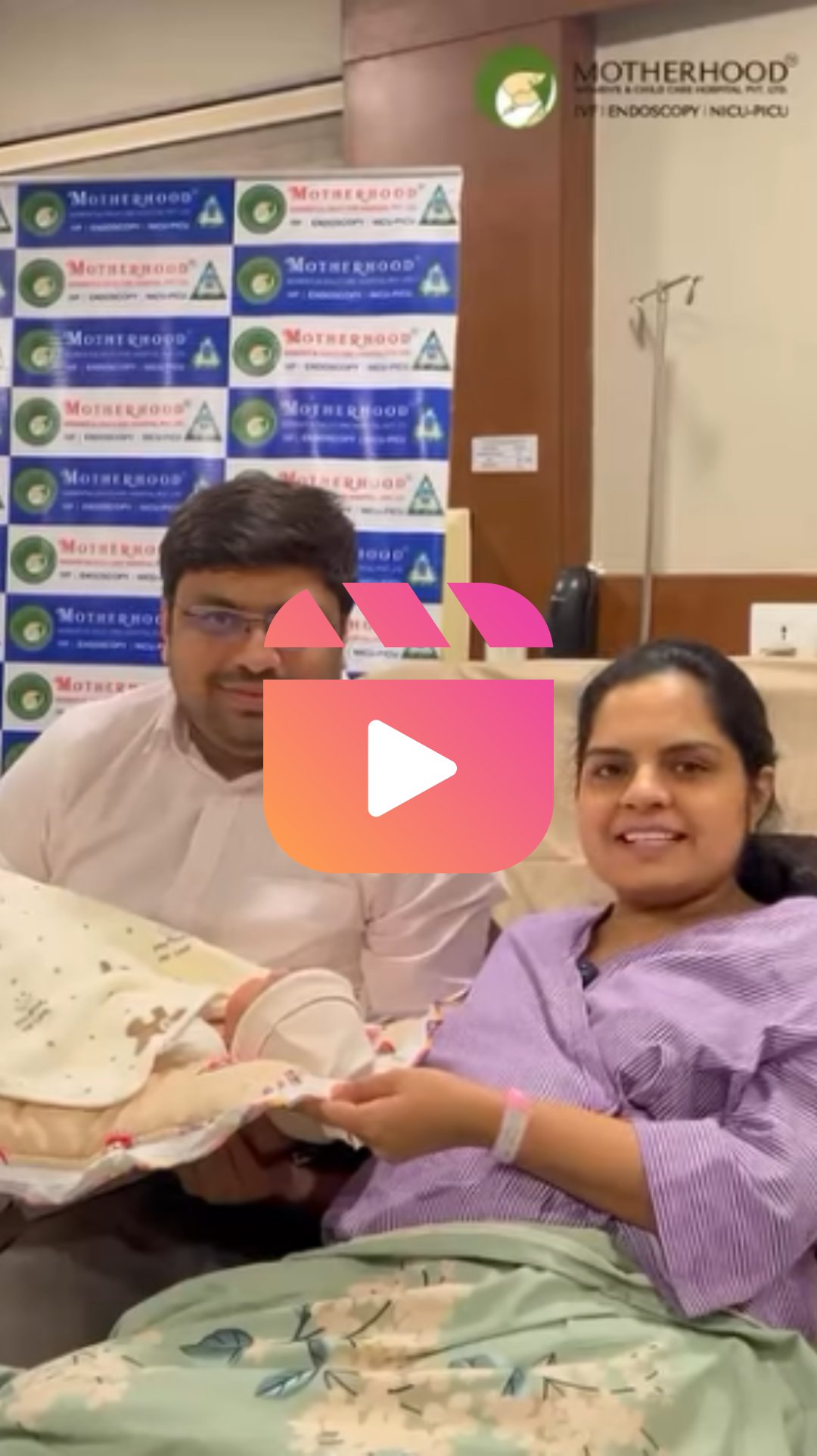
What patients say about Motherhood?


What IVF Specialists Have to Say?
Latest Blogs
What is IVF and when is it important to opt for IVF
What is IVF? IVF is the fertilization process where an egg from a woman and sperm from men is being combined outside the body. It means in vitro fertilization which involves monitoring follicle growth in the ovary, removing the egg from the ovaries, and injecting the...
Step-by-Step IVF Treatment Process Unleashed
Infertility words can feel like a hopeless word for people who dream about having a baby. Knowing what health issues a woman would face, she still tries to keep up the hope when she visits the gynecologist for fertility tests. When nothing still works out you can definitely keep the last option of IVF treatment.
Major Points to Consider before Undergoing IVF Treatment
IVF is considered to be one of the best ways to cure infertility. It is known for high success rate and safety of the highest level. The best gynecologist doctors in Ahmedabad say that IVF has proven to be effective across the globe. Couples who almost left the hope...